
图片文件尺寸 : 2305 x 3731px
奥雷里奥·洛米的《圣海辛斯接受多米尼加习惯》-Aurelio Lomi
Saint Hyacinth Receiving the Dominican Habit--Aurelio Lomi (意大利, 1556-1622)
图片文件尺寸 : 2305 x 3731px
奥雷里奥·洛米的《圣海辛斯接受多米尼加习惯》-Aurelio Lomi
Saint Hyacinth Receiving the Dominican Habit--Aurelio Lomi (意大利, 1556-1622)

图片文件尺寸 : 4573 x 5864px
奥雷里奥·路易尼的《麦当娜与天使的孩子》-Aurelio Luini
Madonna and Child with Angels--Aurelio Luini (意大利, 1530-1593)

图片文件尺寸 : 2818 x 3573px
《亚哈随鲁斯和以斯帖的宴会》奥雷里奥·洛米著-Aurelio Lomi
The Banquet of Ahasuerus and Esther--Aurelio Lomi (意大利, 1556-1622)

图片文件尺寸 : 3669 x 4896px
《在意大利别墅的台阶上玩耍》作者:奥雷里奥·蒂拉泰利-Aurelio Tiratelli
Playing on the steps of an 意大利 villa--Aurelio Tiratelli (意大利, 1842-1900)

图片文件尺寸 : 2712 x 3417px
奥雷利奥·路易尼的《圣婴浸礼者圣伊丽莎白和侍从天使的神圣家庭》-Aurelio Luini
The Holy Family with the Infant Baptist, Saint Elizabeth, and an Attendant Angel--Aurelio Luini (意大利, 1530-1593)

图片文件尺寸 : 3254 x 4637px
奥雷利奥·津戈尼的《藤蔓下的花盆里有小鸟、野兔、康乃馨和天竺葵的静物》-Aurelio Zingoni
Still Life with Birds, a Hare, Carnations and Geraniums in a Pot under a Vine--Aurelio Zingoni (意大利, 1853-1922)
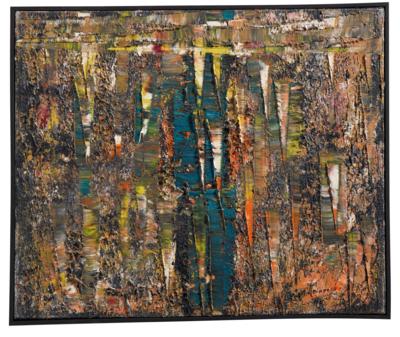 图片文件像素:4695 x 5195 px
让·保罗·里奥佩尔,当代艺术I-
Jean-Paul Riopelle - Zeitgenössische Kunst I-
(Montreal 1923–2002 Ile-aux-Grues)
Untitled, 1978, signed on the reverse, oil on canvas, 38 x 46 cm, framed
This work is accompanied by a photo certificate issued by Yseult Riopelle
Provenance:
Pierre Matisse Gallery, New York (label on the reverse)
Studio Simonis, Paris (label on the reverse)
Sale, Calmels, Chambre, Cohen, 23 November 1997, lot 79
Sale Sotheby’s London, 26 October 2000, lot 136
Aurelio Stefanini - Arte Moderna e Contemporanea, Florence (label on the reverse and certificate of provenance available)
European Private Collection
Literature:
Y. Riopelle, T. Riopelle, Jean Paul Riopelle: catalogue raisonné, Tome 5, 1972–1979, Hibou éditeurs, Montréal Québec 2014, p. 273, no. 059H with ill.
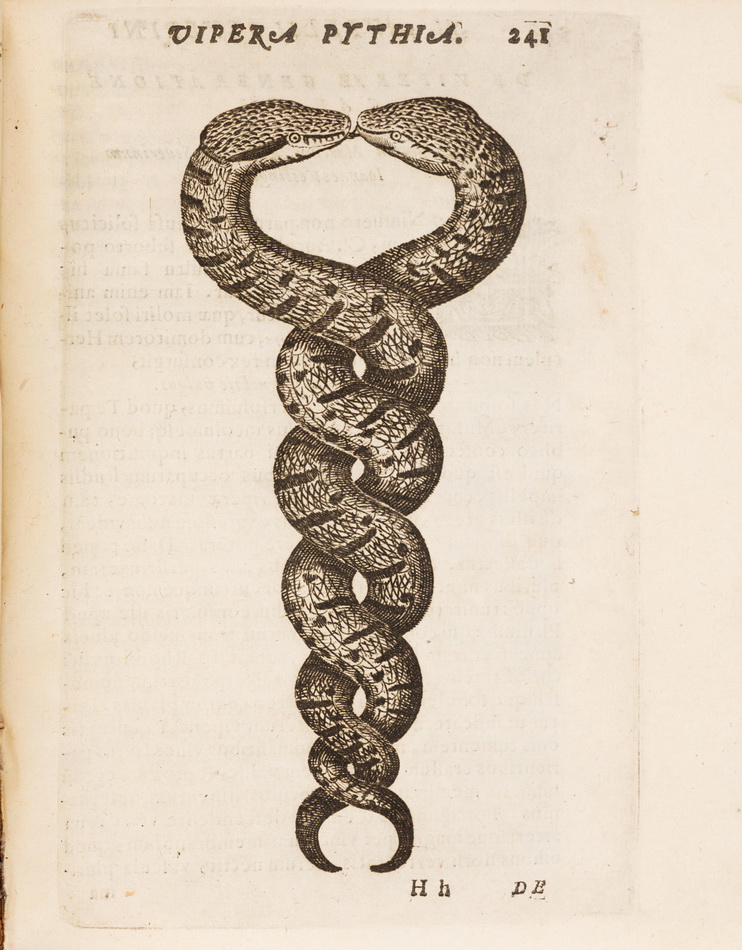
图片文件尺寸 : 4121 x 5889px
SEVERINO, MARCO AURELIO. 1580-1656.:Vipera Pythia. Id est de viperae natura, veneno, medicina demonstrationes et experimenta nova. Padua: Paulo Frambotti, 1651.
4to (200 x 145 mm). Engraved portrait frontispiece, 20 full-page and 4 small engraved illustrations in text. Contemporary speckled calf, rebacked retaining original covers and spine. Lacking additional engraved title page and final blank, inked annotations on front fly-leaf, some ink underlining, browning, especially to frontispiece.
Second edition, published a year after the first, of this work on the toxic effect of vipers. Severino argued, among other things, that the magnetic effect of music could act as cure. A number of the plates have a mythological theme. Nissen 3829; Osler 3961; Waller 8893.
塞韦利诺,马尔科·奥利奥。1580–1656. 蟒蛇。ID来自Viperae Natura,毒药,医学演示和实验新星。帕多瓦:保罗·弗拉姆博蒂,1651年。
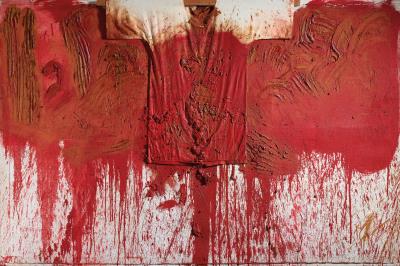 图片文件像素:6034 x 4375 px
赫尔曼·尼奇,当代艺术I-
Hermann Nitsch * - Zeitgenössische Kunst I-
(Vienna 1938–2022 Mistelbach, Lower Austria)
Splatter painting with chemise and impasto, signed, dated hermann nitsch 1995 on the reverse, oil on burlap, stretched over wooden frame along the right and left edge, fixed to wooden frame along the upper and lower front, 200 x 300 cm
Compare:
Hermann Nitsch. Das Gesamtkunstwerk des Orgien Mysterien Theaters, Verlag der Buchhandlung Walther König, 2015, pp. 606–607
Exhibited and illustrated in the catalogue:
Ekilibrio Foundation Collection, Galleria Sirio Arte, Padua, 10 October – 7 November 2020, pp. 168-169
Photo of this work signed hermann nitsch on the reverse available.
Provenance:
Aurelio Stefanini, Studio d’arte, Firenze (label on the reverse)
Private Collection, Italy
„… der in den exzess ekstatisch abgestiegene akteur befleckt und beschüttet… die bildfläche. oft noch spontaner, als es nur auf der bildfläche gelingt, trägt sich die intensität auf dem hemd zu. es wird automatisch befleckt, besudelt, beschmutzt, betappt, beschmiert, beschüttet, bespritzt… es ist, als ob der unsere abgründe eröffnende maler beim malvorgang in die nähe des blutschwitzens, des austrinkens des leidenskelches, der geisselung, der kreuzigung, der zerreissung des dionysos, der blendung des ödipus gerät. sein priesterkleid, sein opferhemd ist geprägt vom feuchten stempel der entäusserung… des hemd wird als höchster schmuck und trophäe auf ein bild gehängt, um dessen farbgefüge zu bereichern. es gibt bilder, die brauchen kein hemd, andere verlangen danach…“
Hermann Nitsch – aus der oben angeführten Literatur
“... the actor, ecstatically descended into the excess, stains and pours things onto … the surface of the image. often it’s even more spontaneous than just hitting the surface of the image, striking his shirt in its intensity, too. it’s automatically stained, sullied, dirtied, touched, smeared; it automatically has things poured onto it, sprayed onto it... it’s as if the painter, opening up our deepest depths, is almost sweating blood when he paints, almost drinking from the chalice of grief, flagellation, crucifixion, the dismemberment of dionysus, the blinding of oedipus. his priestly robes, his victim’s shirt is marked by the moistened stamp of renunciation. the shirt is hung on an image, enriching the texture of its colours, as if it were the most precious piece of jewellery, a trophy. there are some images that don’t need a shirt, but others demand it…”
Hermann Nitsch – from the literature cited above
图片文件尺寸 : 2305 x 3731px
奥雷里奥·洛米的《圣海辛斯接受多米尼加习惯》-Aurelio Lomi
Saint Hyacinth Receiving the Dominican Habit--Aurelio Lomi (意大利, 1556-1622)
图片文件尺寸 : 4573 x 5864px
奥雷里奥·路易尼的《麦当娜与天使的孩子》-Aurelio Luini
Madonna and Child with Angels--Aurelio Luini (意大利, 1530-1593)
图片文件尺寸 : 2818 x 3573px
《亚哈随鲁斯和以斯帖的宴会》奥雷里奥·洛米著-Aurelio Lomi
The Banquet of Ahasuerus and Esther--Aurelio Lomi (意大利, 1556-1622)
图片文件尺寸 : 3669 x 4896px
《在意大利别墅的台阶上玩耍》作者:奥雷里奥·蒂拉泰利-Aurelio Tiratelli
Playing on the steps of an 意大利 villa--Aurelio Tiratelli (意大利, 1842-1900)
图片文件尺寸 : 2712 x 3417px
奥雷利奥·路易尼的《圣婴浸礼者圣伊丽莎白和侍从天使的神圣家庭》-Aurelio Luini
The Holy Family with the Infant Baptist, Saint Elizabeth, and an Attendant Angel--Aurelio Luini (意大利, 1530-1593)
图片文件尺寸 : 3254 x 4637px
奥雷利奥·津戈尼的《藤蔓下的花盆里有小鸟、野兔、康乃馨和天竺葵的静物》-Aurelio Zingoni
Still Life with Birds, a Hare, Carnations and Geraniums in a Pot under a Vine--Aurelio Zingoni (意大利, 1853-1922)
图片文件像素:4695 x 5195 px
让·保罗·里奥佩尔,当代艺术I-
Jean-Paul Riopelle - Zeitgenössische Kunst I-
(Montreal 1923–2002 Ile-aux-Grues)
Untitled, 1978, signed on the reverse, oil on canvas, 38 x 46 cm, framed
This work is accompanied by a photo certificate issued by Yseult Riopelle
Provenance:
Pierre Matisse Gallery, New York (label on the reverse)
Studio Simonis, Paris (label on the reverse)
Sale, Calmels, Chambre, Cohen, 23 November 1997, lot 79
Sale Sotheby’s London, 26 October 2000, lot 136
Aurelio Stefanini - Arte Moderna e Contemporanea, Florence (label on the reverse and certificate of provenance available)
European Private Collection
Literature:
Y. Riopelle, T. Riopelle, Jean Paul Riopelle: catalogue raisonné, Tome 5, 1972–1979, Hibou éditeurs, Montréal Québec 2014, p. 273, no. 059H with ill.
图片文件尺寸 : 4121 x 5889px
SEVERINO, MARCO AURELIO. 1580-1656.:Vipera Pythia. Id est de viperae natura, veneno, medicina demonstrationes et experimenta nova. Padua: Paulo Frambotti, 1651.
4to (200 x 145 mm). Engraved portrait frontispiece, 20 full-page and 4 small engraved illustrations in text. Contemporary speckled calf, rebacked retaining original covers and spine. Lacking additional engraved title page and final blank, inked annotations on front fly-leaf, some ink underlining, browning, especially to frontispiece.
Second edition, published a year after the first, of this work on the toxic effect of vipers. Severino argued, among other things, that the magnetic effect of music could act as cure. A number of the plates have a mythological theme. Nissen 3829; Osler 3961; Waller 8893.
塞韦利诺,马尔科·奥利奥。1580–1656. 蟒蛇。ID来自Viperae Natura,毒药,医学演示和实验新星。帕多瓦:保罗·弗拉姆博蒂,1651年。
图片文件像素:6034 x 4375 px
赫尔曼·尼奇,当代艺术I-
Hermann Nitsch * - Zeitgenössische Kunst I-
(Vienna 1938–2022 Mistelbach, Lower Austria)
Splatter painting with chemise and impasto, signed, dated hermann nitsch 1995 on the reverse, oil on burlap, stretched over wooden frame along the right and left edge, fixed to wooden frame along the upper and lower front, 200 x 300 cm
Compare:
Hermann Nitsch. Das Gesamtkunstwerk des Orgien Mysterien Theaters, Verlag der Buchhandlung Walther König, 2015, pp. 606–607
Exhibited and illustrated in the catalogue:
Ekilibrio Foundation Collection, Galleria Sirio Arte, Padua, 10 October – 7 November 2020, pp. 168-169
Photo of this work signed hermann nitsch on the reverse available.
Provenance:
Aurelio Stefanini, Studio d’arte, Firenze (label on the reverse)
Private Collection, Italy
„… der in den exzess ekstatisch abgestiegene akteur befleckt und beschüttet… die bildfläche. oft noch spontaner, als es nur auf der bildfläche gelingt, trägt sich die intensität auf dem hemd zu. es wird automatisch befleckt, besudelt, beschmutzt, betappt, beschmiert, beschüttet, bespritzt… es ist, als ob der unsere abgründe eröffnende maler beim malvorgang in die nähe des blutschwitzens, des austrinkens des leidenskelches, der geisselung, der kreuzigung, der zerreissung des dionysos, der blendung des ödipus gerät. sein priesterkleid, sein opferhemd ist geprägt vom feuchten stempel der entäusserung… des hemd wird als höchster schmuck und trophäe auf ein bild gehängt, um dessen farbgefüge zu bereichern. es gibt bilder, die brauchen kein hemd, andere verlangen danach…“
Hermann Nitsch – aus der oben angeführten Literatur
“... the actor, ecstatically descended into the excess, stains and pours things onto … the surface of the image. often it’s even more spontaneous than just hitting the surface of the image, striking his shirt in its intensity, too. it’s automatically stained, sullied, dirtied, touched, smeared; it automatically has things poured onto it, sprayed onto it... it’s as if the painter, opening up our deepest depths, is almost sweating blood when he paints, almost drinking from the chalice of grief, flagellation, crucifixion, the dismemberment of dionysus, the blinding of oedipus. his priestly robes, his victim’s shirt is marked by the moistened stamp of renunciation. the shirt is hung on an image, enriching the texture of its colours, as if it were the most precious piece of jewellery, a trophy. there are some images that don’t need a shirt, but others demand it…”
Hermann Nitsch – from the literature cited above